


The Note in the Pocket
When I found the note hidden in my husband’s shirt pocket, I didn’t know my whole life was about to tilt.
I was folding Ron’s laundry, the same quiet task I had done every Wednesday morning for decades, when something slipped from his pocket and landed softly on the floor.
A small piece of paper.
I bent down, picked it up, and read the words written on it.
“Please don’t let her find out.”
I froze.
After thirty-five years of marriage, I realized something terrible in that moment. The silence between Ron and me hadn’t just been distance or habit. It had been hiding something far worse.
“Please don’t let her find out.”
The words echoed in my head.
Ron had stopped asking about my day a long time ago. At first, it hurt. Then I learned to live with it. Silence made life easier. Silence didn’t ask questions. Silence didn’t demand answers.
We still shared the same house. We passed dishes to each other at dinner. We folded each other’s clothes without thinking. But I couldn’t remember the last time Ron looked at me like he truly saw me.
Wednesday mornings had always been my laundry day. Always.
That morning, I was barefoot in the laundry room, sorting lights from darks the way I had done since our daughter was small. The sun came through the window and warmed my shoulder. Everything felt normal. Safe. Familiar.
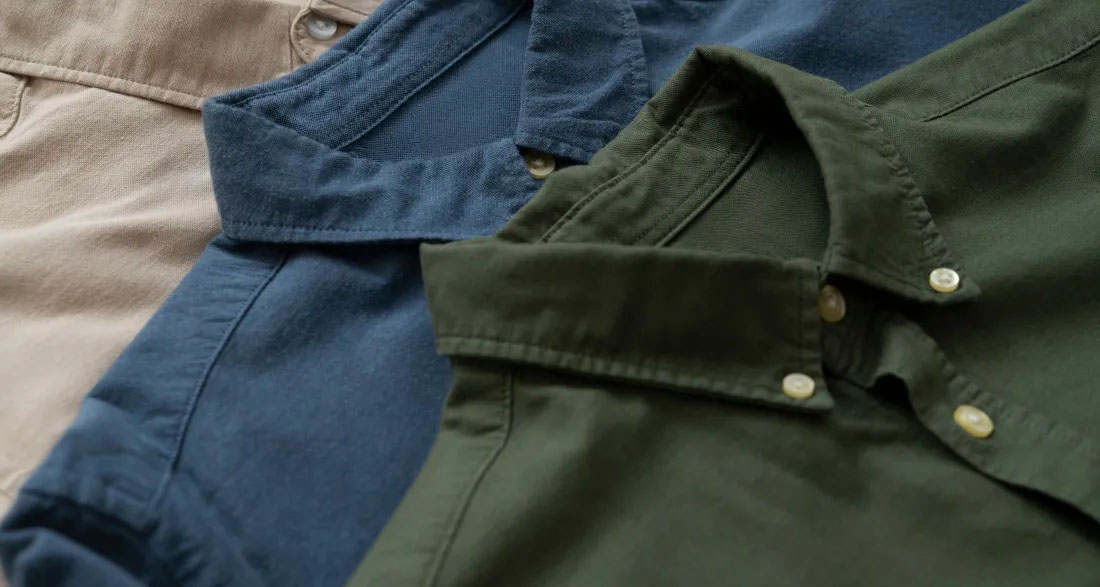
I picked up one of Ron’s shirts—the navy blue one with pale buttons. He wore it too often. As I lifted it, I paused.
Something about the weight felt… wrong.
At first, I thought it was a receipt. Maybe a dry-cleaning tag or a grocery list. Without thinking much, I unfolded it.
It wasn’t a receipt.
It was a note.
Six words, written in handwriting I didn’t recognize.
“Please don’t let her find out.”
Under the sentence was a phone number.
I read it once.
Then again.
My heart began to pound, slow but heavy.
I folded the paper carefully and slipped it into the pocket of my apron. Behind me, the washing machine beeped to signal the end of the rinse cycle. I reached out and stopped it.
That night, I cooked chicken marsala and mashed potatoes, Ron’s favorite. He poured two glasses of red wine, even though he often said it gave him headaches.
I noticed.
I didn’t say anything.
He handed me a glass and asked, “Long day, Delilah?”
“Everything alright?” I asked lightly, trying to sound normal.
“Just the usual,” he replied. “Alan forgot his key card again. Third time this month. I think the receptionist is going to strangle him.”
“And the budget meeting?” I asked, smiling because that was expected of me.
“It ran long. Nothing new.”
We watched the evening news, then switched channels until we landed on a cooking show neither of us cared about. Ron fell asleep before the episode ended. His hand rested on my knee, warm and familiar.
I stared at the screen, pretending to follow the recipe, but my thoughts were nowhere near butter or thyme.
The note was still in my apron pocket.
The next morning, after Ron left for work, I sat at the kitchen table. My coffee grew cold beside me. The note lay flat in front of me like it had been waiting.
I picked up the phone and dialed the number.
After three rings, a woman answered softly.
“Hello?”
“I think you left something in my husband’s shirt pocket,” I said.
There was a pause. I could hear a faint hum in the background, like a kettle heating.
Then she spoke calmly, almost kindly.
“I was wondering when you’d call.”
Her name was Allison.
“And you are?” she asked.
“Delilah.”
“Of course you are.”
Her certainty made my chest tighten.
“You sound very sure for someone who’s never met me,” I said.
“I suppose I owe you the truth,” she replied.
“I would prefer it,” I said, gripping the phone tightly.
“I am not who you think I am,” she said. “Your daughter hired me.”
“My daughter?” I whispered. “Serenity?”
“She was worried. She said your husband had been distant. She asked me to look into it.”
“Look into it how?”
“I’m a private investigator, Delilah.”
My hand pressed against the table to steady myself.
“Then explain the note.”
“It was a mistake,” she said. “But not mine. Can you meet me?”
We met at a quiet coffee shop the next afternoon, full of potted plants and soft music. Allison arrived first. She wore a green wool coat and a silver clip in her hair. She looked older than I expected.
“You’re not what I imagined,” I said.
“I hear that often,” she replied gently.
“I need you to explain everything,” I said. “The note. My daughter. All of it.”
“I met Ron once,” she said. “He panicked when he realized why I was asking questions. He wrote that note as a reminder to himself. The ‘she’ was your daughter, not you.”
She hesitated.
“I wasn’t going to say anything,” she admitted. “But Ron did something wrong. A long time ago.”
“What are you saying?”
“I was the something,” she said quietly.
Twenty years ago, she explained. They met through a consulting project. It lasted months. Ron ended it himself.
“He told me there were parts of his marriage I wasn’t entitled to.”
“My miscarriage,” I whispered.
“I didn’t know,” she said softly. “If I had, I would have left sooner.”
She was sick now, she said. She didn’t have much time. When Serenity contacted her, it reopened a door she never properly closed.
“Your husband never had the right to decide what you didn’t deserve to know,” she said.
I didn’t tell Ron right away.
I watched him instead. His weight loss. His headaches. The way he drank wine he hated. Something inside me shifted—not anger, not rage—just distance.
A few days later, Serenity called.
“Mom?” she said nervously.
“You hired someone,” I said gently.
“I just wanted to protect you,” she said. “I’m sorry.”
“Don’t be,” I told her. “You were trying to help.”
Weeks passed.
One night, Ron asked, “Everything okay?”
“Do you think people can be forgiven for something they did a lifetime ago?” I asked.
He looked tired. “That’s a loaded question.”
“Did you love her?” I asked.
“No,” he said. “I thought I did. But I didn’t.”
“Why didn’t you tell me?”
“Because I was afraid of losing you.”
“You lost me when you decided my pain wasn’t mine to face,” I said quietly.
That night, we slept in the same bed but didn’t touch.
The silence wasn’t protecting us.
It had only protected him.
The next morning, I packed a small bag.
“How long will you be gone?” Ron asked.
“Long enough to remember who I was before I learned how to be quiet for you.”
As I closed the door behind me, I wasn’t leaving in anger.
I was leaving with my dignity intact.
And for the first time in years, I felt seen—by myself.