


I started noticing something about one of my students that I couldn’t shake off. No matter how many times I offered, she never ate during lunch. Every single day, she’d smile politely and say the same thing — “I’m not hungry.”
But one afternoon, when I decided to follow her after school, I discovered a truth that broke my heart and changed the way I saw her forever.
Sometimes I think teachers worry about their students more than some parents do. We see them every single day — we notice the little things: when they seem tired, sad, or distracted. The way they hold their pencil, how they look at the board, or how their laughter fades a bit too quickly.
After fifteen years of teaching, I’d learned to recognize those small signs. But this time, something about Lily felt different. It started so quietly I almost missed it.
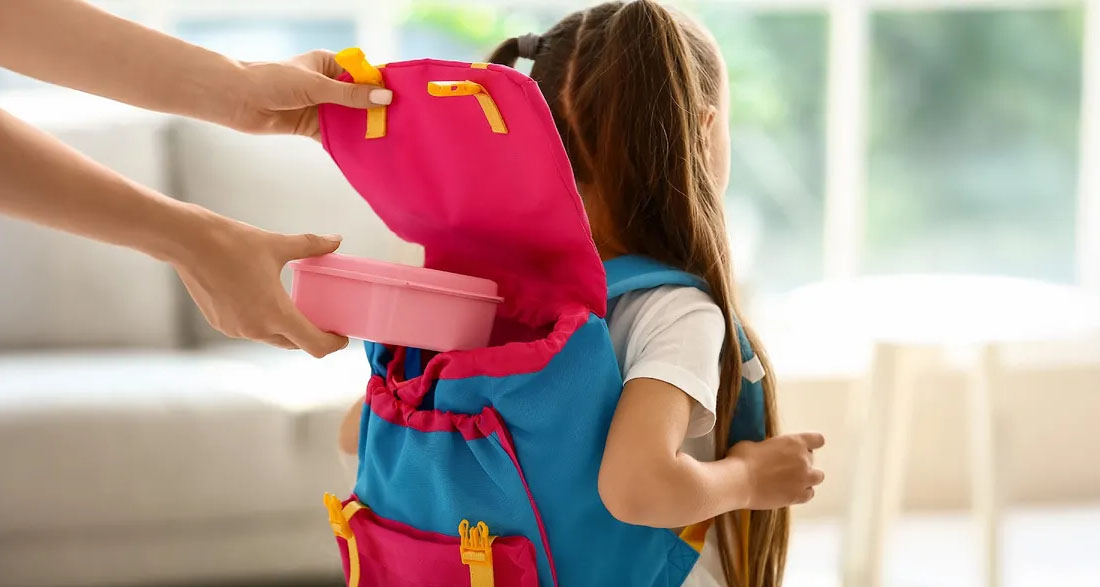
Lily was one of those children every teacher dreams of having. She was quiet but cheerful, always polite, and she had this warm smile that could light up your morning. She never complained, never caused trouble. Every day, she brought her pink lunchbox — neat, full of little sandwiches and apple slices. You could tell her mom made them with love.
But then, one week, something changed.
First, Lily stopped taking her lunchbox out. Then, a few days later, she stopped bringing it altogether. She didn’t buy lunch either. She just sat at her desk during lunch break, watching the others eat while pretending to doodle in her notebook.
At first, I thought maybe she just wasn’t feeling well. But when it kept happening, I knew I had to ask.
That afternoon, while the class was quietly reading, I crouched beside her desk. She was tracing invisible lines on her table with her finger, lost in thought.
“Lily, sweetheart,” I asked gently, “did you bring your lunch today?”
She looked up with those soft brown eyes and shook her head. “No, Miss Sarah.”
“Okay. Did you buy lunch from the cafeteria?”
Again, she shook her head. “No.”
I smiled, trying to sound light. “They’re serving chicken nuggets today. How about I grab you some?”
She gave a shy smile but said, “It’s okay. I’m not hungry.”
That answer didn’t sit right with me. Kids don’t just stop being hungry. Something else was going on.
After school, when the hallways were quiet and the desks sat in golden streaks of sunlight, I stayed behind. I couldn’t stop thinking about Lily. Maybe her family was struggling — I’d seen it before. Some parents forgot to pack lunch, some couldn’t afford meals.
Whenever that happened, I’d quietly cover the cost or bring extra food from home. But this felt different.
I found her mother’s number in the school records and dialed. The phone rang endlessly. I tried again. And again. Still nothing. The silence on the line felt heavy — like a warning I didn’t understand yet.
When no one answered, I made a decision I rarely made: I would visit her home.
Lily’s address led me to a peaceful neighborhood — freshly painted houses, trimmed lawns, tidy mailboxes. The kind of street where everything looked picture-perfect.
I parked in front of a two-story house with blue shutters and took a deep breath. Maybe it was all a misunderstanding.
When I rang the doorbell, a young woman opened the door. She looked exhausted — her hair was in a messy bun, and dark circles framed her eyes.
“Hi, Jessica,” I said, offering a polite smile. “I’m Sarah, Lily’s teacher. I tried calling earlier, but I couldn’t reach you.”
Jessica’s expression softened. “Oh! I’m so sorry. Please come in,” she said quickly. “I just had a baby, and I swear, I’ve lost track of everything. My phone’s probably buried somewhere in the couch.”
The living room was cozy, though cluttered — baby toys on the floor, a blanket tossed over the sofa, a soft beeping coming from a baby monitor.
“What did you want to talk about?” she asked, settling on the couch.
“It’s about Lily,” I began carefully. “I noticed she hasn’t been eating lunch lately. She doesn’t bring her lunchbox anymore, and she says she doesn’t buy food at school either.”
Jessica frowned deeply. “That’s strange. I make her lunch every single morning.”
“She told me today she didn’t have anything to eat,” I said.
Jessica blinked in confusion. “That can’t be right. I’m literally making her lunch for tomorrow right now.” She pointed toward the kitchen counter, where I saw the familiar pink lunchbox open beside a loaf of bread and a jar of peanut butter.
“Then I don’t understand,” I said quietly. “She never touches her food at school.”
Jessica sighed. “Maybe she’s embarrassed to bring food from home? I can give her lunch money instead.”
“I offered to buy her something today,” I told her, shaking my head. “But she refused. She said she wasn’t hungry.”
Jessica’s face softened with worry. “That doesn’t sound like her. She loves her lunches. I’ll talk to her tonight. I promise.”
“Thank you,” I said. “She’s a wonderful girl. I just want to make sure she’s okay.”
Jessica smiled faintly. “She adores you, you know.”
Those words warmed my heart — but as I walked back to my car, a strange heaviness stayed with me. Everything looked fine from the outside, but I’d learned that appearances could lie.
The next day, I kept a close eye on Lily. She sat at her desk, the pink lunchbox right beside her bag — unopened.
When the bell rang for lunch, everyone rushed out laughing. Lily stayed behind.
I knelt beside her. “Lily,” I said softly, “I talked to your mom yesterday. She told me she packs your lunch every morning. So why aren’t you eating?”
Lily froze, her small hands gripping the edges of her notebook. “I’ll eat later,” she murmured.
“Later when?” I asked gently.
“Just later,” she whispered.
Something about the way she said it made my chest tighten.
When school ended, I watched through the window as students lined up for their buses. Lily stood at the back, clutching her backpack straps. Then, suddenly, she turned and started walking in the opposite direction — fast.
That same uneasy feeling hit me again.
I grabbed my coat and followed her from a distance. She walked for nearly ten minutes, cutting through quiet streets until she stopped in front of an old, abandoned house. The windows were boarded, the yard overgrown.
My heart raced. What was she doing here?
Lily looked around, then slipped through a small gap in the fence. I hesitated — then followed.
Inside, the air was cold and musty. Then I heard it — a faint sound, soft and heartbreaking. A baby crying.
I peeked through a doorway and froze.
There, sitting on a pile of blankets, was a woman holding a tiny baby wrapped in a towel. Her face was pale, her eyes red and tired.
And kneeling beside her was Lily — carefully opening her pink lunchbox.
“I brought you food,” she said softly. “And some diapers. I took them from home. Mommy won’t notice.”
The woman looked at her with tears in her eyes. “Sweetheart, you shouldn’t be doing this,” she whispered. “It’s not safe for you to come here.”
“But you need to eat,” Lily replied simply. “My mom says we should always help people when we can.”
I stepped into the room, my shoes crunching on broken tiles. The woman gasped and pulled the baby closer.
Lily turned, her eyes wide with fear. “Miss Sarah, please don’t tell anyone! She doesn’t have anywhere to go!”
I raised my hands gently. “It’s okay, sweetheart. I’m not angry. I just want to help.”
I looked at the woman. “How long have you been here?”
She lowered her eyes. “A few weeks,” she said quietly. “I left home. My husband… he wasn’t a good man.”
I nodded slowly, my heart aching.
Lily looked up at me. “She’s nice,” she said. “She always thanks me.”
I crouched down beside her. “You did something very kind, Lily,” I said softly. “But you have to take care of yourself, too. You need to eat.”
“I can eat at home,” Lily said stubbornly. “She can’t.”
Her words pierced through me. She wasn’t wrong.
I turned to the woman. “You can’t stay here. It’s not safe. Please, let me help you.”
The woman shook her head. “I can’t accept that kind of help. You don’t even know me.”
“Maybe not,” I said gently, “but everyone needs help sometimes. You and your baby can stay with me for a while — just until we figure something out.”
Her eyes filled with tears. “Are you sure?”
I nodded. “Completely.”
She looked at Lily, then at me. “Thank you,” she whispered.
Lily smiled — a real, bright smile this time. I brushed a strand of hair from her face.
“You did the right thing, sweetheart,” I said softly. “You reminded me what kindness really looks like.”
And as we walked out of that broken house together — teacher, student, stranger, and baby — I realized something: sometimes it’s the smallest hearts that carry the biggest compassion.