

My mother-in-law had a strange talent. She could make cruelty look like care.
Her name is Ivy. She’d brush her fingers against your arm like she was comforting you, while quietly dismantling something you’d poured hours into. Her head would tilt, her voice soft and kind, as if she were delivering a gift—but it was always a knife in disguise.
I married her son, Ethan, seven years ago. We have a six-year-old, Noah. Ivy lives close enough that she convinced Ethan giving her a spare key “just made sense.”
“What if there’s an emergency and you can’t get home?” she’d said, waving it around like common sense instead of warning.
The only emergencies ever happened when Ethan was at work. And that’s when Ivy would let herself in.
“Just tidying up a bit,” she’d say, smiling when we walked through the door. “Noticed the kitchen needed organizing.”
And that’s when my meals started disappearing.
I’d spend hours making dinner, carefully packing leftovers, only to open the fridge the next day and find empty space where my containers had been.
“Oh, that?” Ivy would say, hands clasped like she’d confessed a minor sin. “It didn’t look right to me. I didn’t want Noah to get sick.”
At first, I thought I had imagined it. Maybe I’d left it somewhere else, maybe I’d misread a label. But then it happened again. And again. Shepherd’s pie, salmon, lasagna—gone. All gone.
I tried confronting her gently.
“Ivy, I think there’s been some confusion about what’s for dinner.”
“Sweetheart,” she said with a sympathetic smile, “I’m just trying to keep everyone safe. You’d do the same thing.”
I wanted to tell Ethan. I wanted him to see the truth. But something held me back. Deep down, I feared he’d side with his mother. I couldn’t stand the thought of being blamed for making a problem out of nothing. So I stayed quiet, pretending it didn’t hurt.
But Ivy didn’t stop. She didn’t wait for me to leave anymore. She’d wander in while I folded laundry upstairs, rinse my containers at the sink, and hum as if she had every right.
“What are you doing?” I’d ask, heart thudding.
“Cleaning, honey. This chicken looked a little gray.”
“I made it two hours ago!”
“Better safe than sorry,” she said with a shrug. “Especially with children.”
I began labeling my food. Big letters. Clear dates. “FOR DINNER TONIGHT.” She threw it out anyway.
One Thursday, I prepared beef stew in the crockpot. Eight hours on low. The smell greeted Noah and me when we returned from his piano lesson. I went to set the table—and froze.
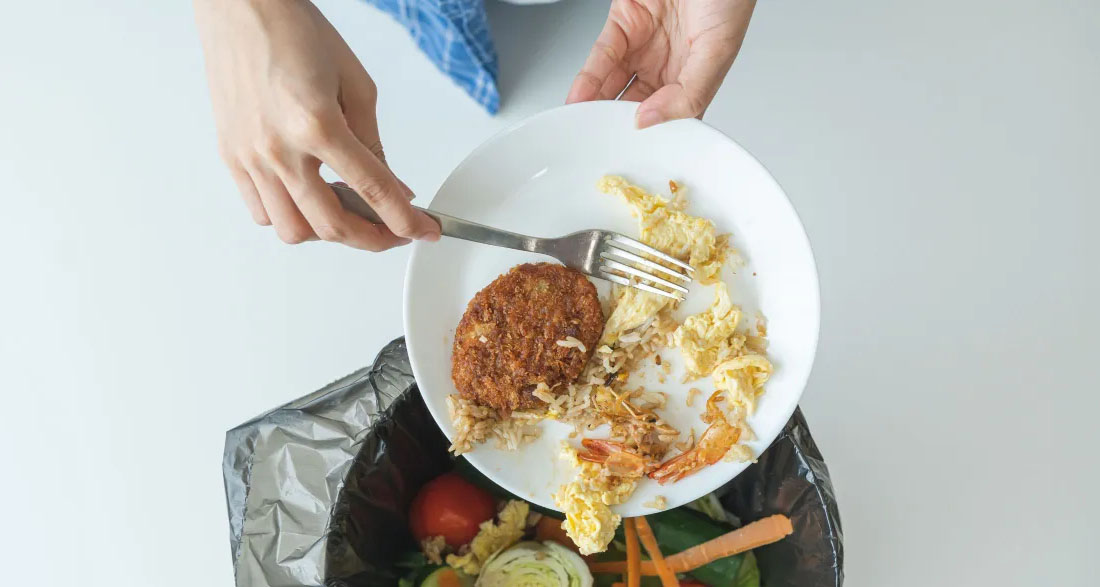
The trash can told the story. My pot of beef stew slumped in a soggy paper bag, surrounded by eggshells and junk mail.
Ivy was at the dining table, laying napkins. “The stew seemed stale. I threw it out so you wouldn’t be embarrassed,” she said cheerfully.
“It was fresh this morning.”
“Really? It tasted stale to me,” she said, adjusting a fork. “Maybe check your oven temperature. And thank me later… I replaced it with my dinner.”
Ethan came home to find me standing there, jaw clenched tight.
“Everything okay?” he asked.
I just nodded. I couldn’t speak without screaming.
Then came Sunday, when everything broke.
Noah had been asking all week for his favorite meal—meatballs with sauce and fluffy mashed potatoes, a recipe from my grandmother that took hours to perfect.
I worked early, mixing meat, shaping each ball, simmering the sauce. By the time we left for the park, the house smelled like Sunday dinner heaven. Noah ran, laughed, and came home covered in grass, glowing.
But the moment we walked in, something felt wrong.
The kitchen smelled… empty. The pot was gone, rinsed and set aside. The mashed potatoes were gone. The meatballs—gone.
Noah’s small face crumpled. “Where’s dinner, Mom?”
Ivy emerged from the hallway, towel in hand, smiling like she had done a good deed. “I took care of it. Food sitting out all afternoon? In this heat? Absolutely not safe.”
Noah’s eyes filled with confusion and hurt. “But that was my favorite.”
“You’ll survive, sweetheart. There’s peanut butter in the pantry.”
Something in me snapped, but I stayed quiet. Noah didn’t cry. He just stared at Ivy, expression frozen, like he had understood something adult hearts sometimes ignore.
That night, after tucking him in, he whispered, “Why does Grandma always trash your cooking?”
I held his little hand. “I don’t know, baby.”
He was quiet for a long moment. Then, softly, “I don’t think she wants you to feed us.”
My heart ached, rearranging itself around the truth my six-year-old already saw.
The following week, I continued cooking. Spaghetti, pork chops, roasted vegetables. Every meal disappeared within 24 hours. Ivy smiled, apologized, offered excuses about spoilage or safety, and I pretended it didn’t matter.
But Noah was watching. He followed her movements in the kitchen, studied her like a detective, counted what vanished.
“Mom, where’d the chicken go?” he asked.
“Grandma threw it out.”
“Again?”
“Yes, again.”
He nodded, pulling out a notebook. “Just homework, Mom,” he said, but I knew better.
Then came Ethan’s birthday. Ivy called that morning, full of offers: “I’ll bring the food, set up the table, decorate. You just relax, honey.” Translation: I would be sidelined in my own home.
I agreed. Noah tugged on my sleeve. “Can I help Grandma with the plates?”
Ivy practically glowed. “Of course, my sweet boy. You can be my little assistant.”
Noah disappeared into the dining room with her. I heard whispers, then laughter.
By six, the house buzzed with guests. Ivy’s table was laden with turkey, carrots, mashed potatoes. Praise rang out:
“Ivy, this is incredible!”
“You’re so talented!”
“How do you always outdo yourself?”
She smiled modestly. “I just love taking care of my family.”
Ethan raised his glass. “To Mom. For everything.”
Then Noah stood, holding a crumpled notebook sheet. “I want to say something too,” he announced.
The room went silent.
Noah looked straight at Ivy. “Grandma, I need to ask you something.”
She beamed. “Of course, darling.”
“Why do you keep throwing Mom’s food in the garbage?”
Smiles froze. Ivy’s face went blank, then a nervous laugh. “Oh, honey, that’s silly…”
“It’s not silly,” Noah said, voice calm, deliberate. He unfolded the paper. Dates. Meals. Proof of every discarded dish.
“Last Sunday,” he read, “you threw away my meatballs and potatoes. The ones Mom made special.”
Ivy’s smile cracked.
“Wednesday before that… soup. Thursday, the chicken. Two Saturdays ago, pasta.”
Guests shuffled, murmurs filling the room.
“You said they went bad,” Noah continued. “But they didn’t. You threw them out while they were still good. I checked the trash.”
Ivy’s face flushed. “Sweetheart, you don’t understand…”
“I understand Mom gets sad when you do it.” Noah’s gaze went to me, then back at Ivy. “If you don’t like her cooking, you shouldn’t come over anymore.”
The silence suffocated. Ethan’s face reddened. “Mom. What’s he talking about?”
“He’s confused…”
“From unhealthy meals!” Ivy finally cried. “Those old recipes aren’t good for growing children!”
I walked to the kitchen, opened the fridge. The casserole, the fruit salad—gone. I turned back to the dining room.
“She’s been doing this for months,” I said.
Ethan’s voice shook with disbelief. “You’ve been throwing out her food? On purpose?”
“I was trying to help her learn better habits, son,” Ivy stammered.
“Better habits?” I cut in. “Or punishing me?”
The truth hit me. “You hate that Ethan asks for my grandmother’s recipes. The ones he loves. The ones you can’t stand being favorites now.”
Ivy turned pale. Ethan said flatly, “Give me the key.”
She fumbled, hands shaking, and handed it over.
“Leave,” Ethan said.
She walked out. The party ended in twenty minutes. Guests left quietly, some awkward, some sympathetic.
Later that night, Noah climbed onto my lap.
“Are you mad I told everyone, Mom?”
“No, baby. You did the right thing.”
“Grandma looked sad.”
“Sometimes people feel sad when they get caught doing something wrong.”
He nodded seriously. “Will she stop now?”
“Yes, hopefully.”
Three months have passed. Ivy doesn’t have a key. She doesn’t stop by unannounced. She doesn’t touch my fridge, my cooking, or our meals.
And every week, Noah asks, eyes shining, “Can we make Grandma’s meatballs?”—meaning my grandmother, the one whose recipes are in the worn cookbook on my counter.
I always say yes.
Those recipes aren’t just food. They’re love written in measurements and ingredients. And sometimes, justice doesn’t roar—it whispers through a six-year-old brave enough to tell the truth.