
I’ve spent my whole life repairing damaged hearts, but the most important heart I ever touched wasn’t just a medical case. It was Owen’s.
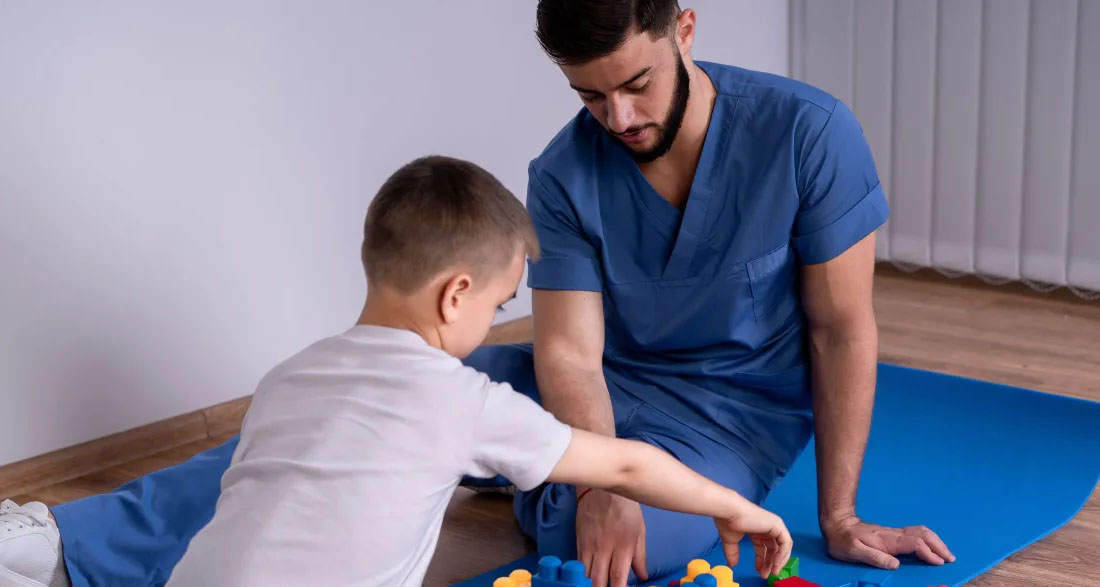
I was already a seasoned pediatric surgeon when I first met him. He was six years old, far too small for the massive hospital bed he lay in, his thin arms swallowed by white sheets.
His eyes were huge, dark, and tired, taking in every beep and hiss of the machines around him. His chart sat at the foot of the bed, thick and heavy, and when I read it, my stomach tightened.
Congenital heart defect. Severe. Critical.
It was the kind of diagnosis that steals childhood and replaces it with hospital walls, fear, and pain far too big for such a small body.
His parents sat beside him, but they looked like ghosts. Their faces were hollow, their eyes red and empty, as if they had been terrified for so long that their bodies had forgotten how to relax. Owen, meanwhile, kept apologizing.
“I’m sorry,” he said softly to a nurse when she adjusted his IV. “Thank you for helping me.”
That politeness—so careful, so desperate—hurt more than any diagnosis ever could.
When I entered the room to explain the surgery, Owen raised his hand a little, like he was in school.
“Um… Doctor?” he said in a tiny voice. “Can you tell me a story first? The machines are really loud, and stories help.”
I swallowed hard and pulled up a chair beside his bed.
“All right,” I said gently. “I know just the one.”
I made it up as I went along. I told him about a brave knight who had a ticking clock inside his chest instead of a heart. The knight was scared every day, but he kept moving forward anyway. I explained that courage wasn’t about not being afraid—it was about being afraid and still doing the hard thing.
Owen listened with both hands pressed over his chest, right where his broken heart struggled beneath his ribs. When I finished, he smiled and whispered, “That was a good story. Thank you.”
Then, almost as an afterthought, he added, “Sorry for asking.”
That night, I saved his life.
The surgery went even better than I’d hoped. His heart responded beautifully. The repair held. His vital signs stabilized. By morning, he should have been surrounded by crying, relieved parents who couldn’t stop touching him just to make sure he was real.
But when I walked into his room the next day, it was silent.
No mother smoothing his blankets. No father sleeping in the chair. No coats, no bags, no signs anyone had ever planned to come back. Just a stuffed dinosaur slumped against his pillow and a cup of melted ice sweating onto the tray.
“Where are your parents, buddy?” I asked, keeping my voice steady even as something cold spread through my chest.
Owen shrugged.
“They said they had to leave.”
The way he said it—flat, careful, like he’d practiced it—felt like a punch to the gut.
I checked his incision, listened to his heart, and asked if he needed anything. The entire time, his eyes followed me, wide and hopeful, like he was begging me not to disappear too.
When I stepped into the hallway, a nurse was waiting with a manila folder. One look at her face told me everything.
Owen’s parents had signed every form. They’d taken every instruction sheet. Then they’d walked out of the hospital and vanished. The phone number was disconnected. The address didn’t exist.
They had planned this.
That night, I got home well past midnight. My wife, Nora, was still awake, curled on the couch with a book she hadn’t turned a page of.
She looked at my face and immediately set the book down.
“What happened?”
I sat beside her and told her everything. About the little boy who apologized for needing things. About the dinosaur. About the parents who saved his life by bringing him in—and destroyed it by leaving him behind.
When I finished, she was quiet for a long time.
Then she asked softly, “Where is he now?”
“In the hospital,” I said. “Social services is looking for emergency placement.”
She turned fully toward me, her eyes steady. It was the same look she’d had during years of difficult conversations—about fertility treatments, about dreams that never seemed to work out.
“Can we go see him tomorrow?” she asked.
“Nora, we don’t—”
“I know,” she said gently. “We don’t have a nursery. We don’t have experience. And we’ve tried for years.” She squeezed my hand. “But maybe it wasn’t supposed to happen the way we planned. Maybe it was supposed to happen like this.”
One visit became two. Two became three.
And slowly, we fell in love.
The adoption process was brutal. Home studies. Background checks. Interviews that made you feel like every flaw disqualified you from being a parent. But none of that was as hard as those first weeks with Owen.
He wouldn’t sleep in his bed. He curled up on the floor beside it, tight and small, like he was trying to disappear. So I slept in the doorway with a pillow and blanket—not because I thought he’d run, but because I needed him to understand that people could stay.
For months, he called me “Doctor” and Nora “Ma’am.” Using our real names felt too dangerous.
The first time he called Nora “Mom,” he had a fever. She was sitting beside him with a cool cloth, humming softly. The word slipped out in his sleep. When he woke fully, panic filled his eyes.
“I’m sorry,” he gasped. “I didn’t mean—”
Nora brushed his hair back, tears spilling down her cheeks.
“Sweetheart,” she whispered, “you never have to apologize for loving someone.”
That was the moment something shifted.
Not all at once. But slowly, like a sunrise.
The day he fell off his bike and scraped his knee, he screamed, “Dad!” Then he froze, terrified I’d correct him.
I just knelt beside him and said, “Yeah, buddy. I’m here.”
His whole body relaxed.
Owen grew into a thoughtful, driven young man. He volunteered. He studied relentlessly. Education became his proof that he deserved the second chance he’d been given.
When he asked why he’d been left, Nora told him the truth without bitterness.
“Sometimes people make terrible choices when they’re scared,” she said. “That doesn’t mean you weren’t worth keeping.”
He chose medicine. Pediatrics. Surgery. He wanted to save kids like himself.
The day he matched into our hospital, he stood in the kitchen crying.
“You didn’t just save my life,” he said. “You gave me a reason to live it.”
Twenty-five years after that first surgery, we were colleagues.
Then one Tuesday, everything shattered.
My pager went off in the OR.
NORA. ER. CAR ACCIDENT.
We ran.
She was on a gurney—bruised, shaken, but alive. Owen grabbed her hand instantly.
“Mom, are you okay?”
“I’m okay,” she whispered.
That’s when I noticed the woman standing nearby. Worn coat. Scraped hands. Eyes full of regret.
A nurse explained, “She pulled your wife from the car. She saved her life.”
Owen looked at her—and froze.
Her eyes dropped to the scar on his chest. Her breath caught.
“Owen?” she whispered.
“I’m the one who gave you that name,” she said through tears. “I’m the one who left.”
The world stopped.
She told the truth. About fear. About debt. About a father who ran.
“I thought someone better would find you,” she said. “And they did.”
Owen shook, torn apart.
“Did you ever think about me?”
“Every single day,” she said.
“I don’t need a mother,” he said softly. “I have one.” Then he paused. “But you saved her today.”
He opened his arms.
That Thanksgiving, we set an extra place at the table.
Nora raised her glass.
“To second chances.”
Owen added, “And to the people who choose to stay.”
And I finally understood: the greatest surgery isn’t done with a scalpel. It’s done with forgiveness, grace, and love.
We saved Owen’s heart twice—and somehow, he saved ours right back.